Hi (again). I`m Thomas
I've written to you every Monday since December, and our community has grown quite a bit, so let me re-introduce myself.
I'm Thomas. I read sports science the way other people read the news, I ride, and I'm the sort of person who opens the methods section before the abstract (who doesn't love a good method section).
This started because the gap between what the research knows and what athletes get told to do is far too wide, and it bothered me enough to do something about it every week.
Before anything else, thank you. You've opened these emails, replied to them, and told me when a paragraph didn't land. Several of you have sent me papers I'd missed. A few of you have argued with me and turned out to be right. That's the reason this is still going.

What lands in your inbox
Three shapes, depending on how much room a question needs.
Entries are the long ones. One mechanism taken apart properly, with the evidence and with the places the evidence runs out.
Snippets are the opposite. One idea, a few hundred words, no throat clearing.
OpenLabs are conversations. Researchers, coaches and members of the community on the record, including the parts where they disagree with each other, which is usually where the useful bit hides.

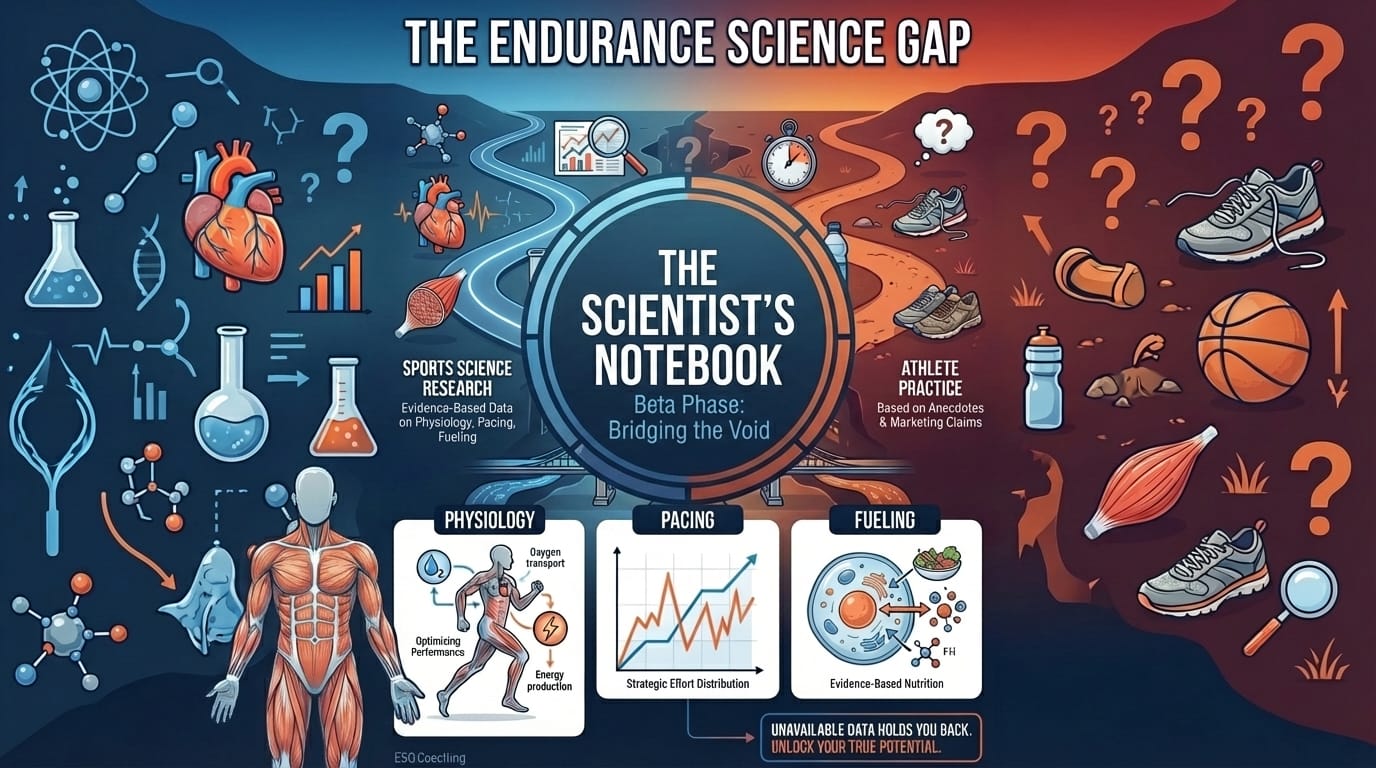


The question I kept failing to answer
Here's what happens when you explain physiology for long enough. You take a mechanism apart, a reader follows every step, and then they ask the obvious thing.
Fine. What does my own data say?
Reading about critical power doesn't tell you your critical power. Understanding heart rate variability doesn't tell you how far yours has to move before it means anything. Knowing that durability matters doesn't tell you what your numbers do in the fourth hour of a ride.
I couldn't answer that in a post. Nobody can. That question needs software.
So I built the other half
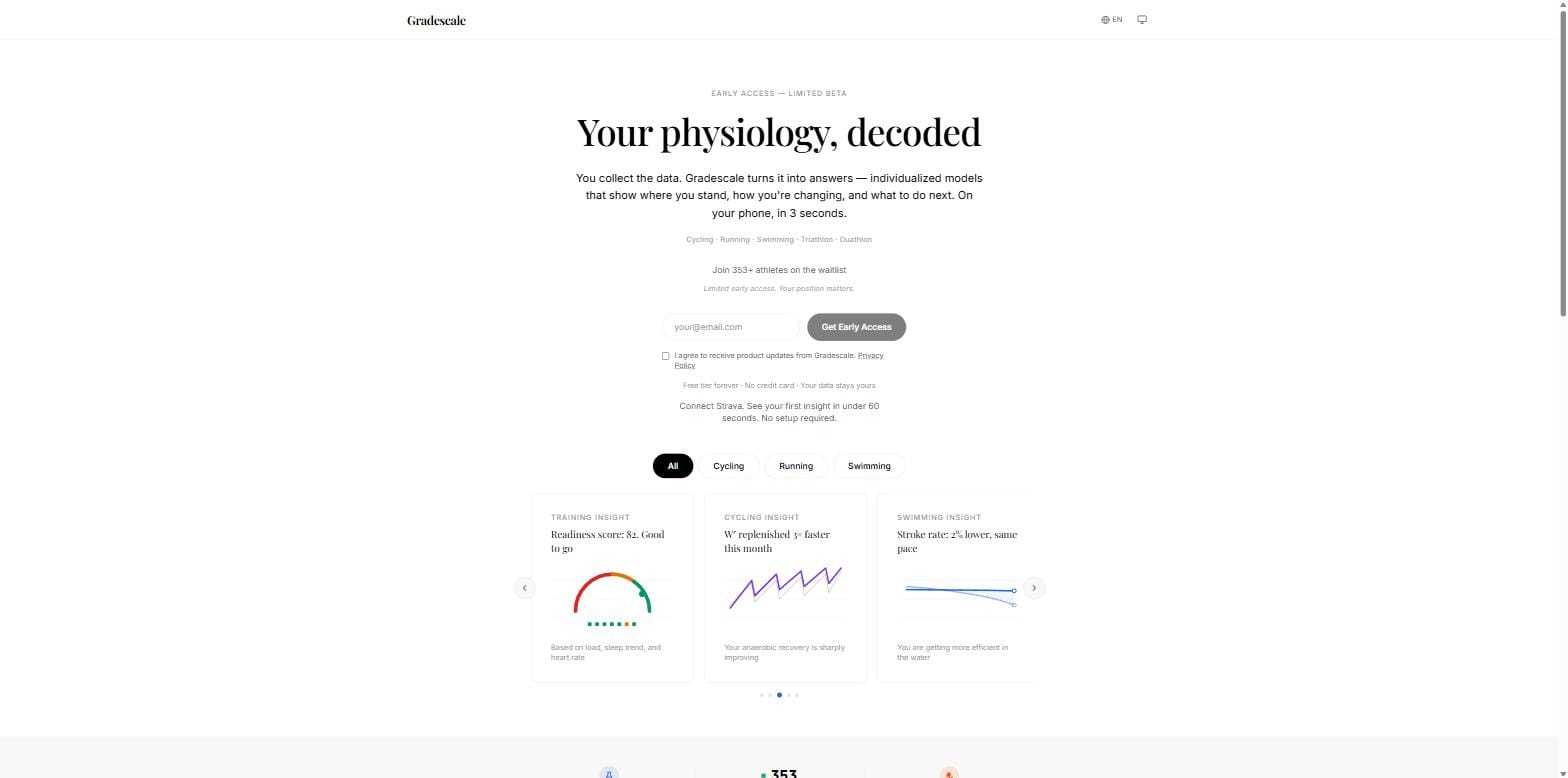
Gradescale is a browser-based analytics platform for cycling, running, swimming and triathlon. You bring your training data, and it does the kind of modeling that used to need a desktop application and a coaching degree.
What makes it different isn't the feature list. It's that every metric, every model and every default is traceable to a paper you can go and read.
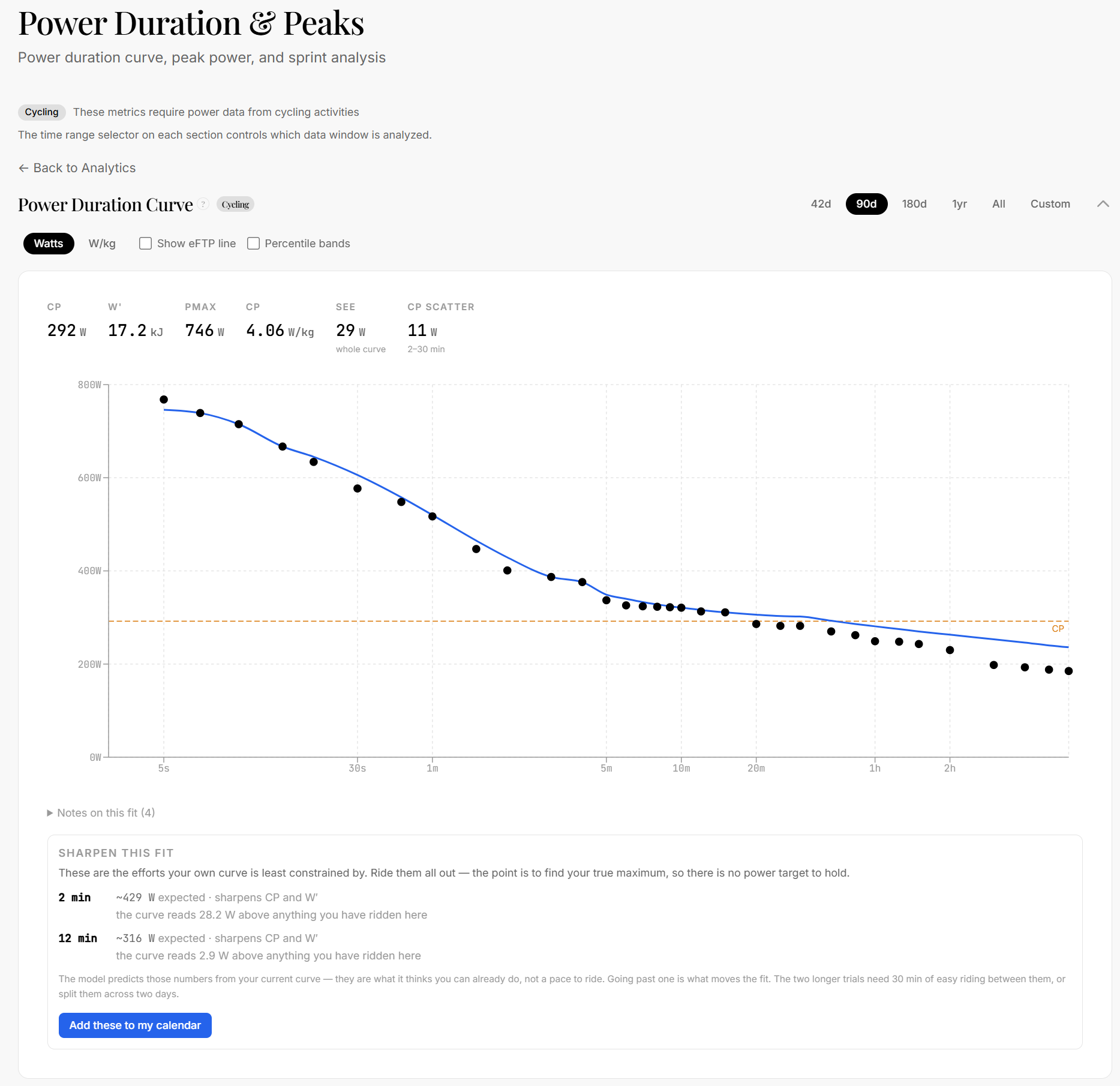
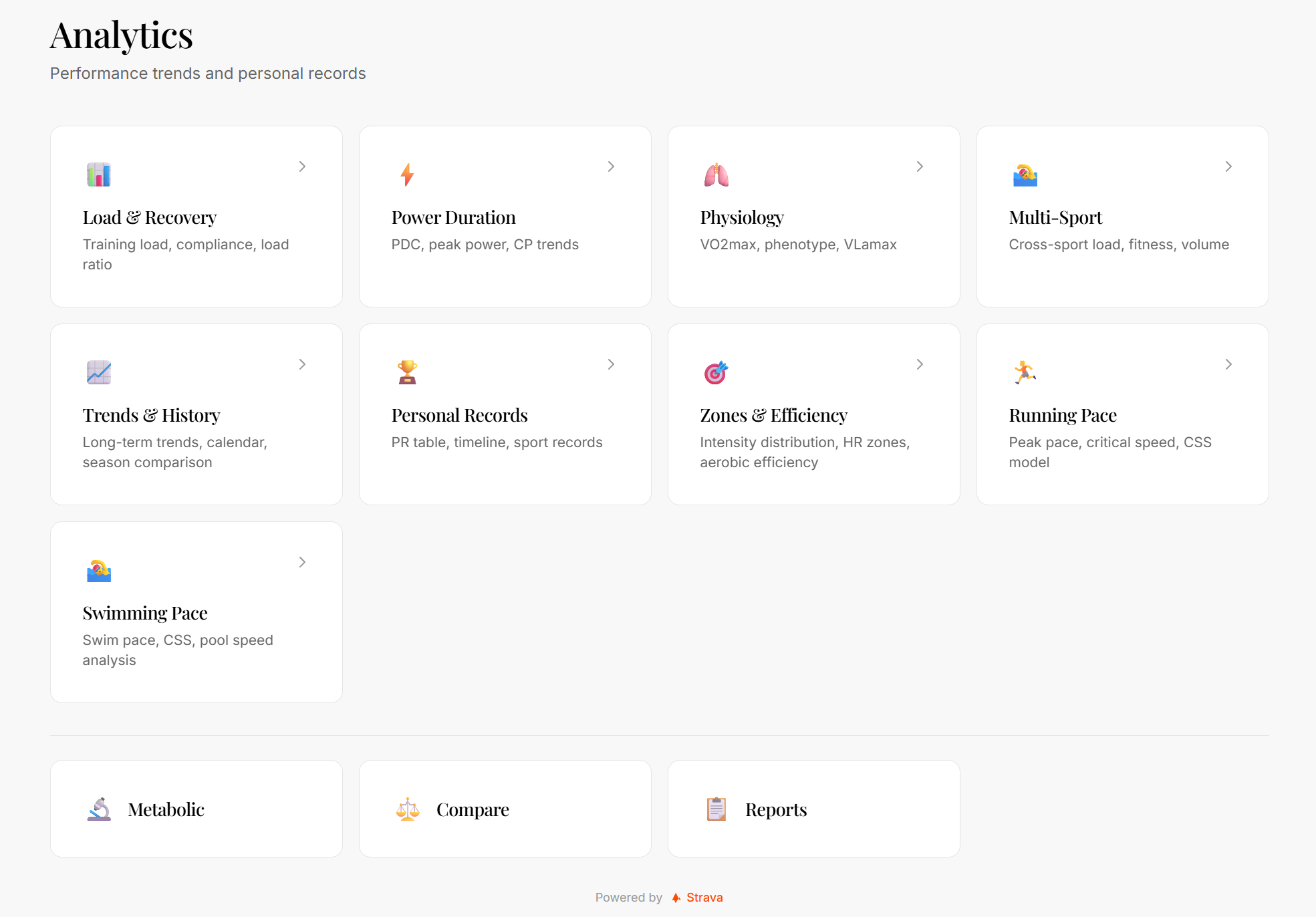
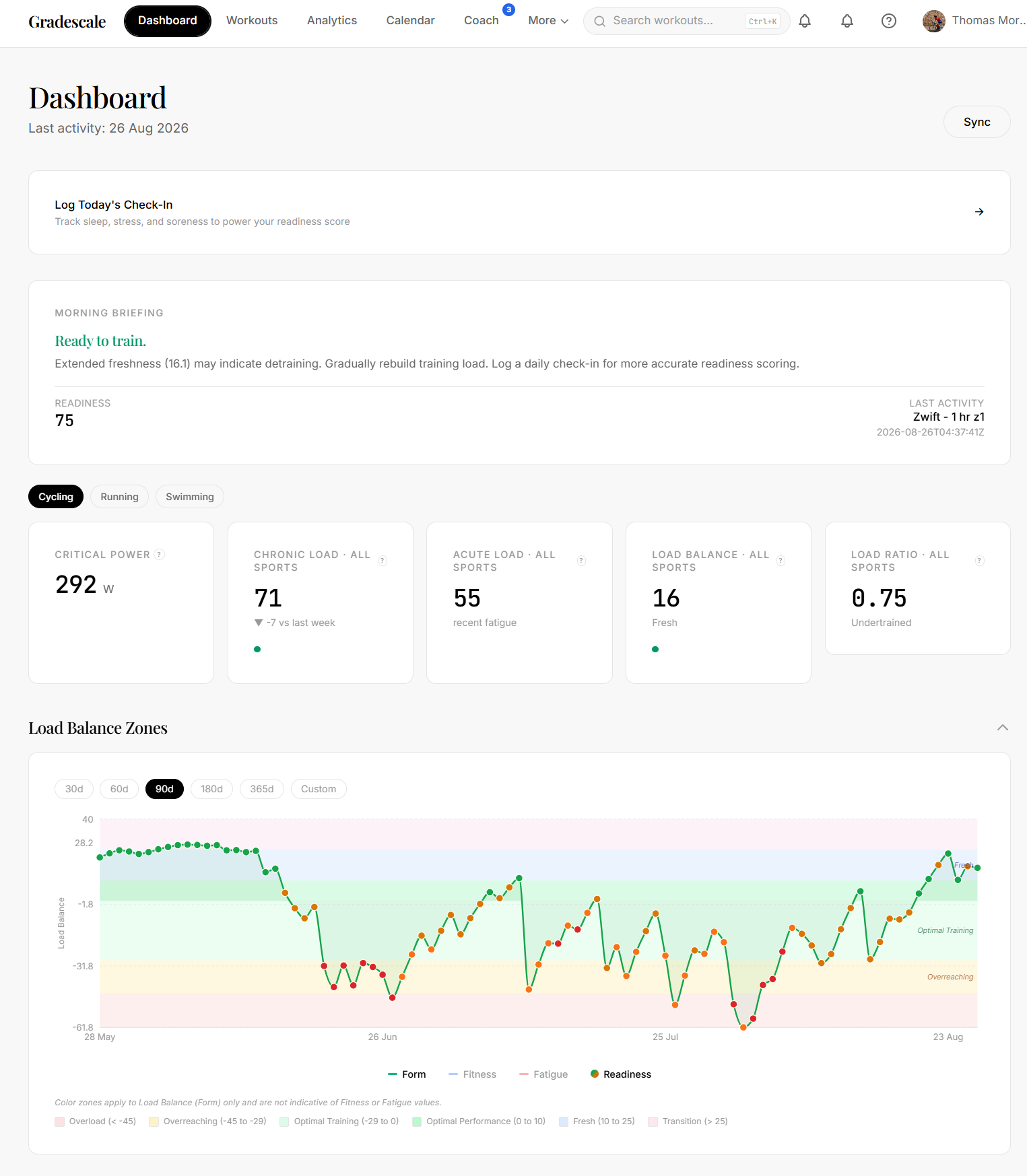
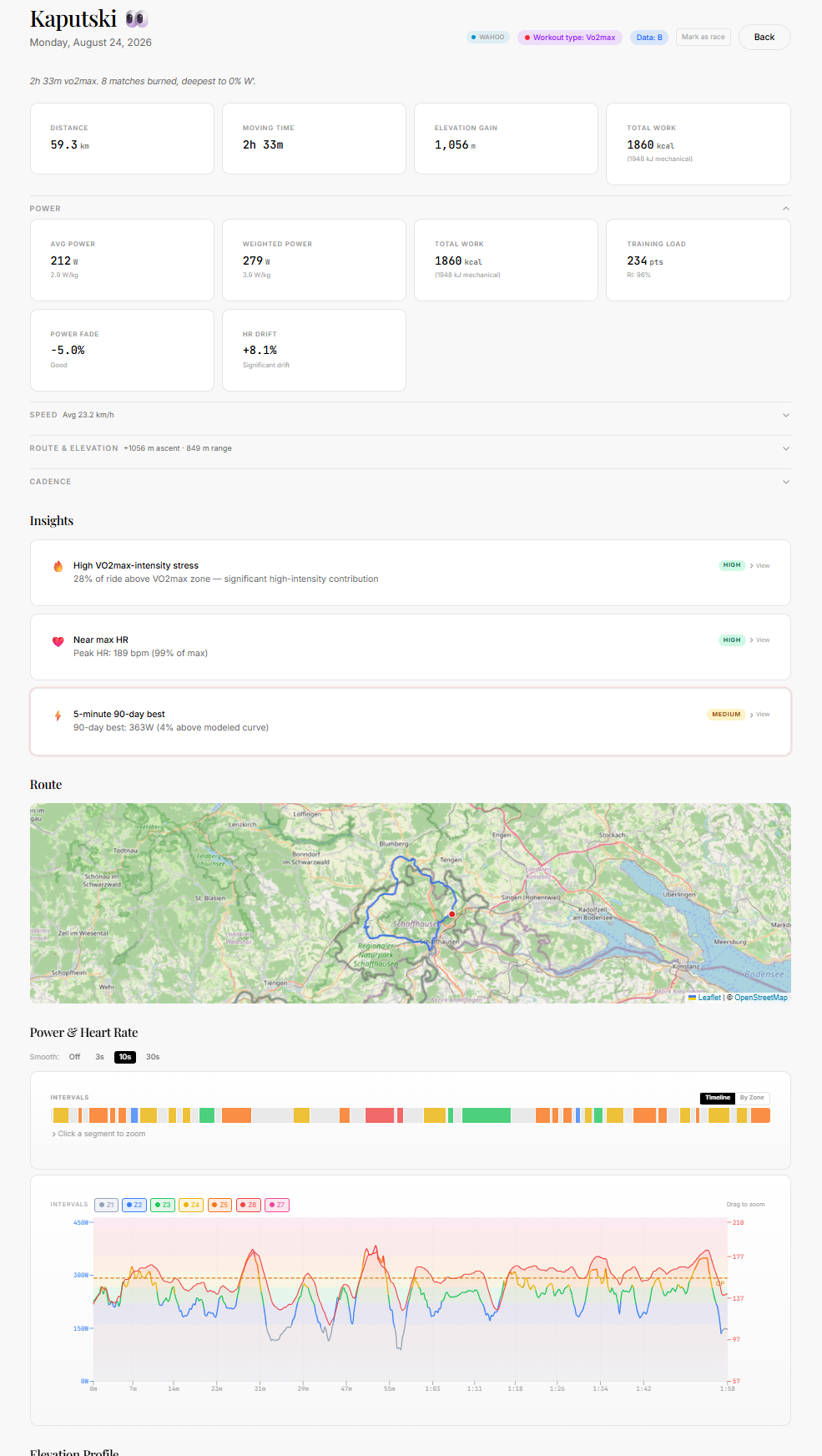
A preview of some features for Gradescale that will start closed beta soon. We are briding the gap from science to your headunit or watch.
Why is a power-duration curve fitted with this model rather than that one? Written down. Why does a threshold estimate hold up in one kind of session and fall apart in another? Written down. None of it is a proprietary score, and all of it can be audited. As with The Scientist's Notebook, we believe in education and training smarter, not harder.
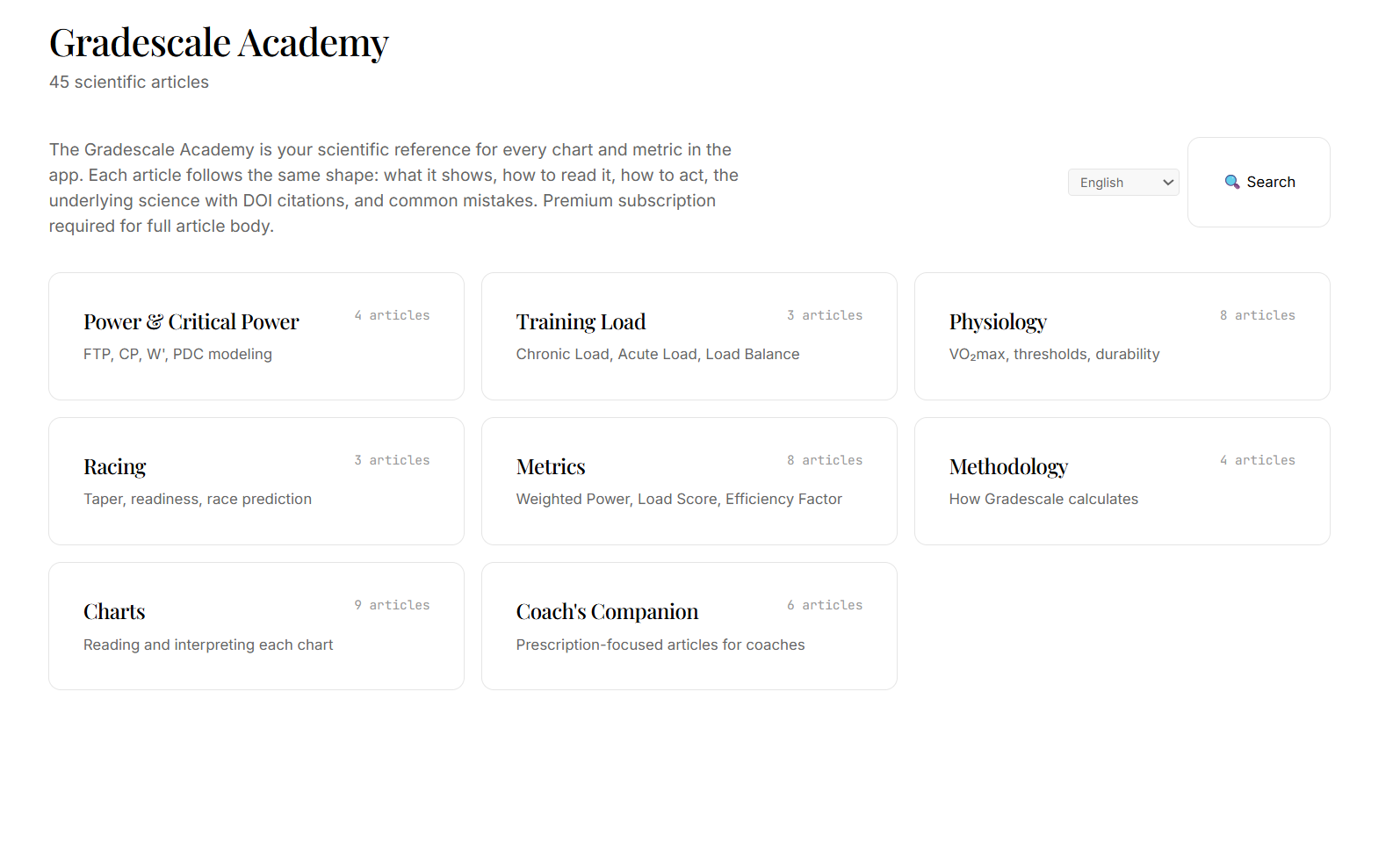
It's the same standard this newsletter has held since the first post. The rule that a claim has to survive the literature now runs an analytics engine as well as a writing desk.
Two halves of the same question
The writing is where a mechanism gets explained. Gradescale is where you find out what that mechanism does to you.
You can stop at either one. Plenty of readers only ever want the first, and honestly that's the half I spend most of my week on.


Where things stand, and what's next
Gradescale is in limited early access. 353 athletes were on the waitlist this morning, the free tier stays free, and you don't need a card to get in.
The archive is where it's been since the start, and it isn't moving.
Our Community on Discord
If you ever want to talk science, reach out to me personally, or just to want to hang out with other members of the community, don't hesitate to join our Discord:
Joining takes under a minute, and there are no invite codes floating around the internet. Access is tied to your subscription instead.
1. Open the join page and enter the email you subscribed with.
2. Authorize through the standard Discord screen.
3. You're in, with the Member role already assigned.
→ Join the Discord
Thank you, properly
I said it at the top and I'm saying it again down here, because I truly mean it. This community has become larger than I ever could've dreamt and I am looking forward to growing it more over the next few months.
In December I asked you to treat this as a lab you were part of rather than a list you were on. You did exactly that.
You're the reason there's a second half worth building.
So if you ever run any of this on your own numbers and it breaks, or it disagrees with what you expected, that's the most useful message you can send me. Hit reply. It comes straight to me (or join our Discord ;) )
Glad to have you here.
Best,
Dr. Thomas Mortelmans, The Scientist's Notebook



Found this useful?
Get articles like this and free training calculators in your inbox every week.
Recommended reads
If this was useful, these are the other research-driven newsletters I actually read.
Member discussion