Entry #036: Nitrate, Bicarbonate, Beta-Alanine: The Big Three, and Where Each One Actually Helps
There is a shelf in my pantry that tells a small, slightly embarrassing story about endurance science. A purple bottle
Entry #035: The Aging Engine: What Masters Athletes Reveal About Mitochondrial Decline
A muscle biopsy from a seventy year old cyclist who has trained for three decades does not read like a
Entry #034: Reading Training Load: The Fitness-Fatigue Balance
Two athletes finish the exact same twelve week block: same sessions, same hours, same numbers logged to the watch. One
Entry #033: The Hot Room as Recovery: What Sauna Does for the Tired Body
There is a particular kind of evening that endurance athletes know well. The hard session is done, the legs are
Entry #032: Sleep and Endurance: The Recovery Window You Cannot Train Around
You finish a hard week. The legs are heavy, the long ride or run sits in the log, and the
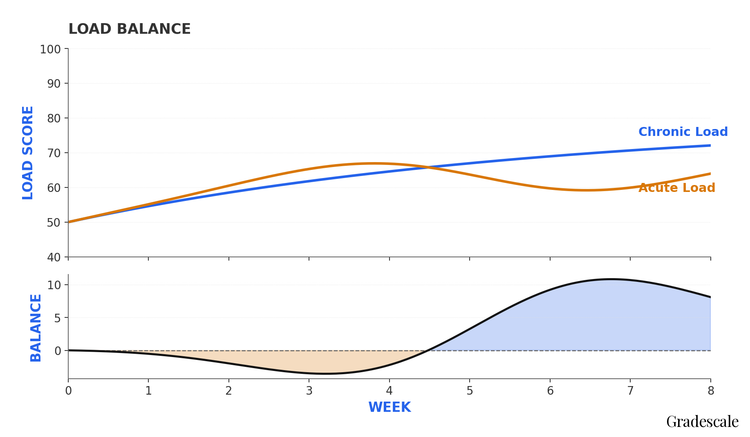
#Entry 031: Load Balance, Decoded: What Tomorrow's Workout Should Actually Look Like
You looked at your dashboard this morning. Load Balance reads −18. Your training plan says hard intervals. Your legs say
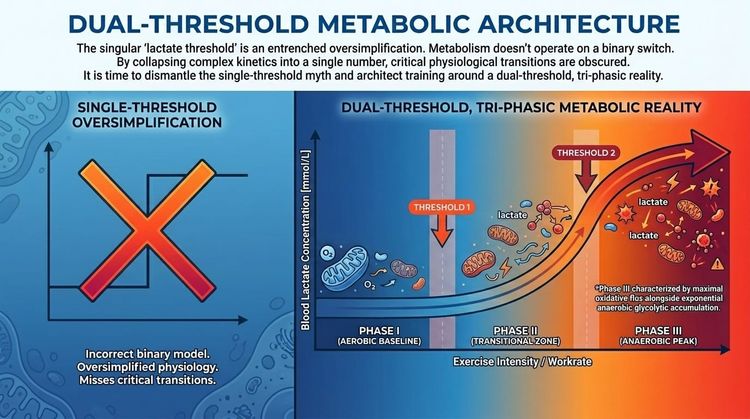
Entry #030: The two lactate thresholds (LT1/LT2) — The Dual-Threshold Metabolic Architecture
As an endurance practitioner, you have likely structured training around a singular metric: the lactate threshold. This pervasive concept—often
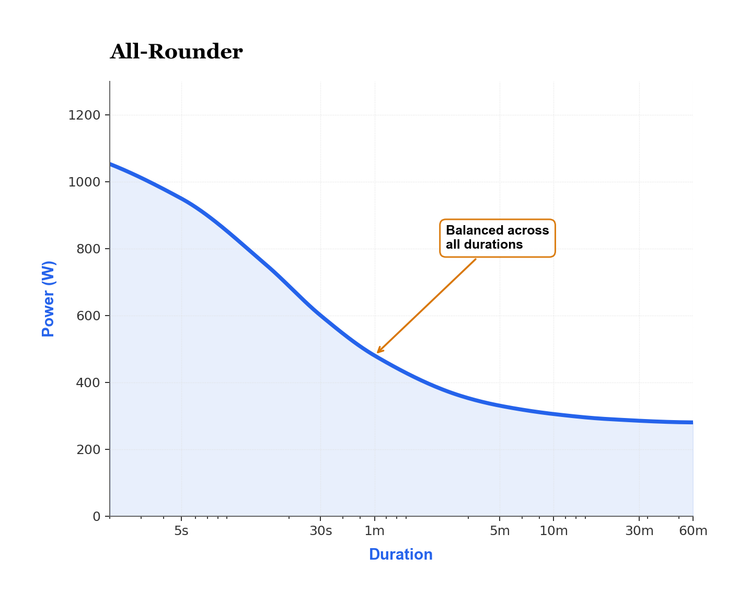
Entry #029: How to Read Your Power-Duration Curve, A Scientist's Walkthrough
The single chart that compresses your entire physiology into one line. Here's how to read it without the jargon.
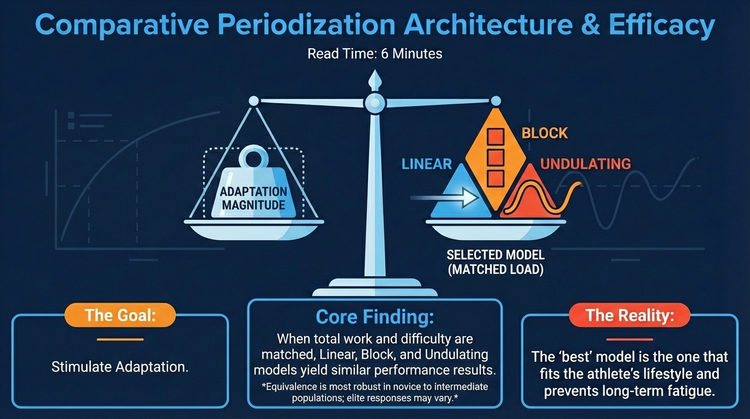
Entry #028: Block and reverse periodization vs traditional + polarized
The way we organize training stress—periodization—remains a hot topic in exercise science. While the goal is to adjust
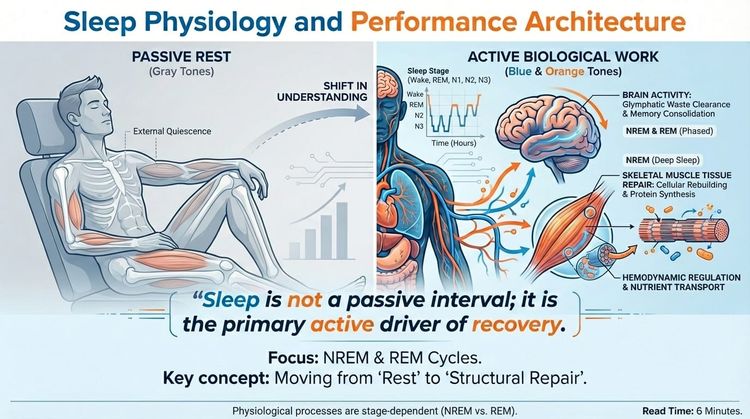
Entry #027: Sleep Physiology and Performance Architecture
The prevailing model of athletic adaptation frequently treats sleep as a passive interval between training stimuli, yet the physiological reality