Entry #021: Satiety Mechanics and Fiber Architecture in Endurance Nutrition
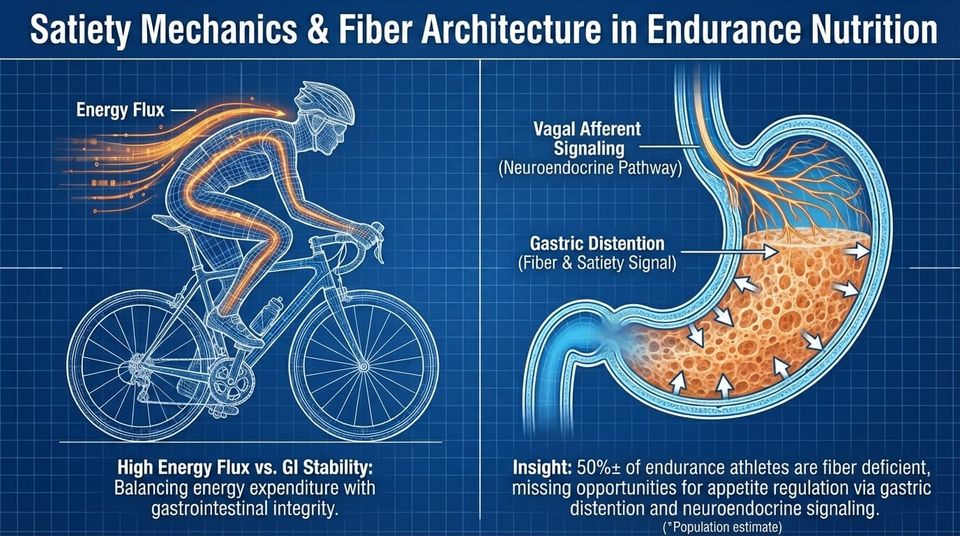
The endurance athlete exists in a state of metabolic tension: the requirement for high energy flux to support training load often conflicts with the need for body composition management and gastrointestinal stability. While approximately 50% of endurance athletes fail to meet general population fiber guidelines, the deficit is not merely a matter of micronutrient inadequacy but a missed opportunity for appetite regulation.
The physiological coupling of mechanical gastric distention and neuroendocrine signaling offers a potent lever for managing the hyperphagia often reported during high-volume training blocks.
However, the implementation of high-fiber strategies requires precise temporal architecture to avoid compromising splanchnic perfusion and substrate delivery during exercise.
This briefing examines the mechanistic basis of satiety and outlines a periodized framework for fiber integration.
Executive Summary – The Brief
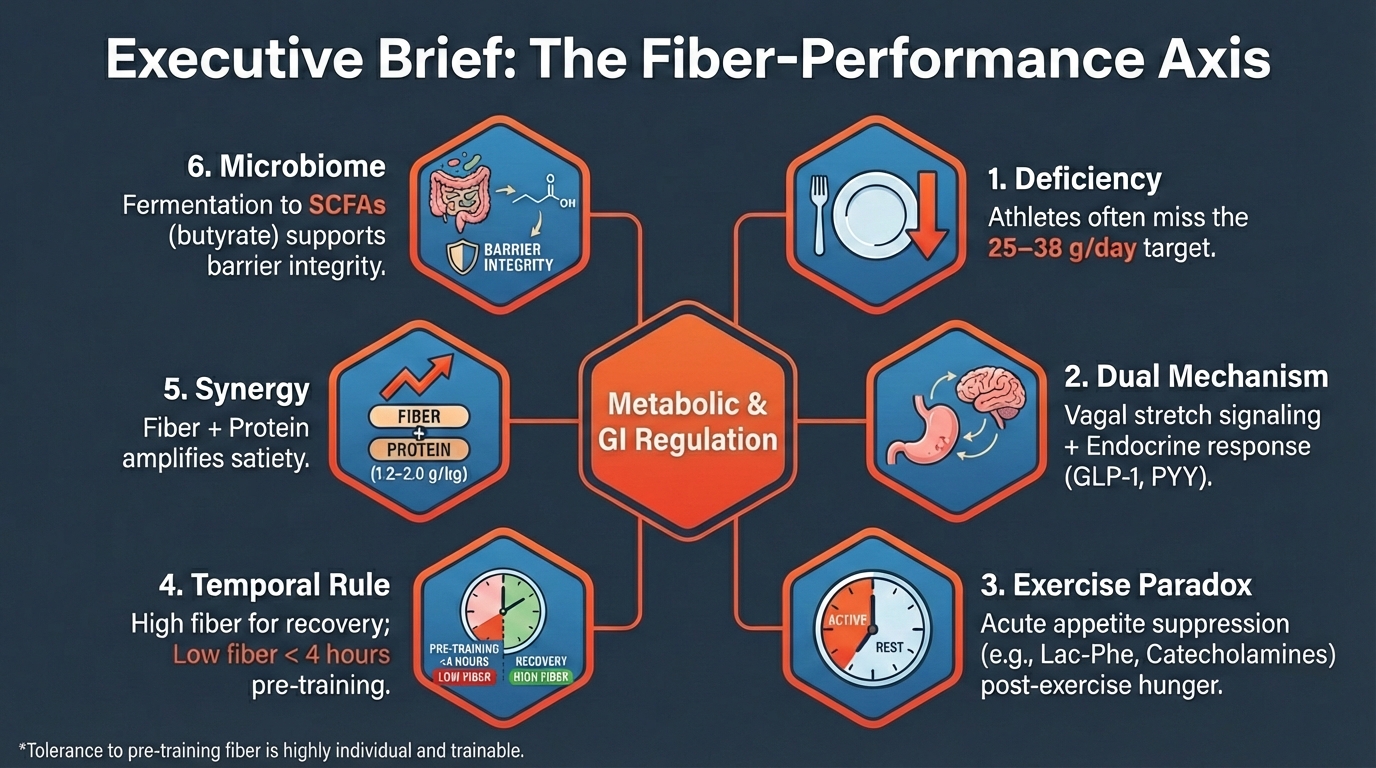
• Prevalence of Deficiency: A significant proportion of endurance athletes fall below recommended fiber intake thresholds (25–38 g/day), compromising gut microbiome diversity and satiety signaling.
• Dual Satiety Mechanism: Dietary fiber regulates appetite via immediate mechanical gastric distention (vagal afferent signaling) and delayed endocrine responses (GLP-1, PYY secretion).
• The Exercise Paradox: Vigorous exercise (>70% VO2max) acutely suppresses appetite via acylated ghrelin suppression and metabolites like Lac-Phe, but compensatory hunger often drives excess caloric intake post-recovery.
• Temporal Partitioning: Fiber intake must be inversely correlated with proximity to training; high-fiber consumption is advantageous for recovery but detrimental within the 2–4 hour pre-exercise window due to the risk of ischemia-induced gastrointestinal distress.
• Microbiome-Performance Axis: Fermentation of fiber into Short-Chain Fatty Acids (SCFAs) like butyrate and propionate supports intestinal barrier integrity and may contribute to metabolic flexibility.
• Synergistic Macronutrients: Co-ingestion of fiber with protein (1.2–1.4 g/kg) amplifies satiety signaling beyond the sum of individual macronutrient effects.
The Science at a Glance
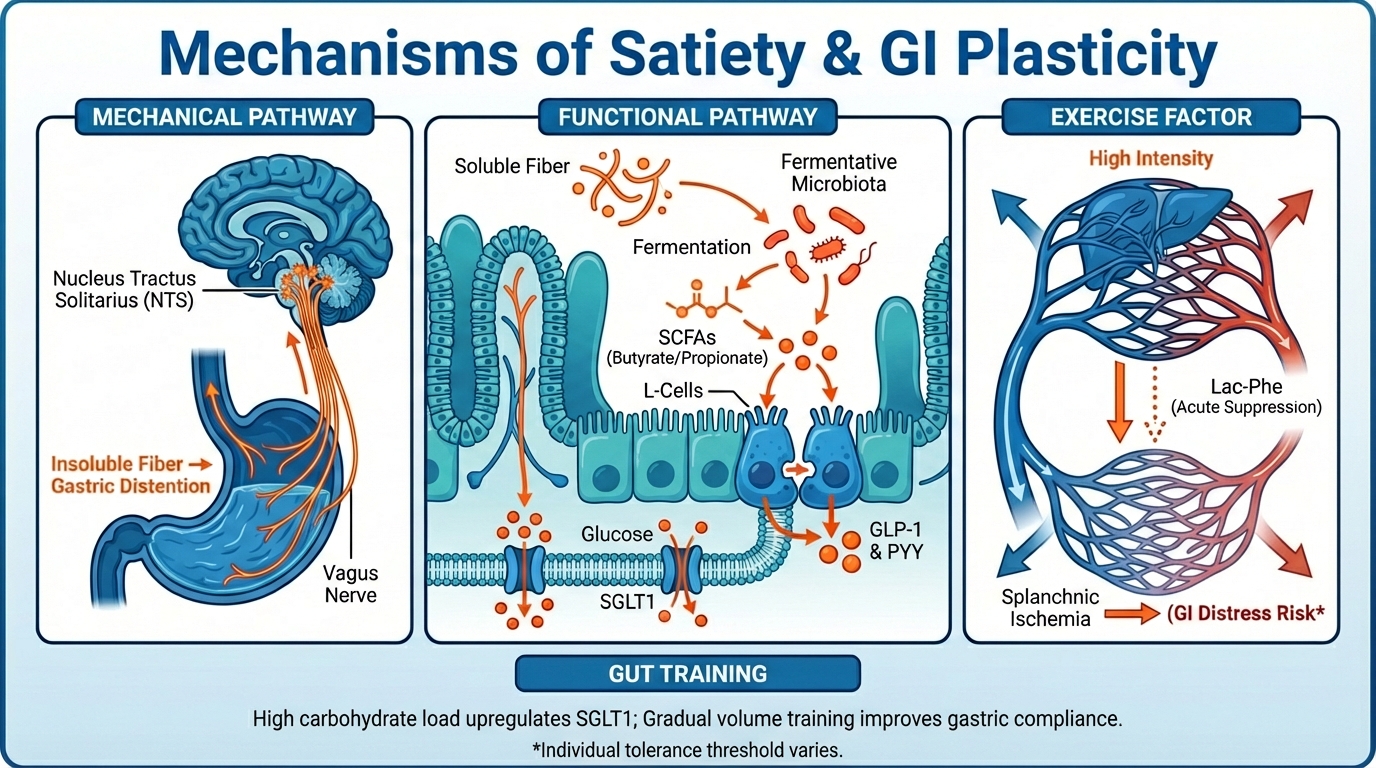
Appetite regulation in the endurance athlete is a complex integration of central and peripheral signals processed primarily in the hypothalamic arcuate nucleus. Dietary fiber exerts its effects through two distinct pathways.
Mechanically, insoluble fiber adds bulk and water volume, triggering stretch receptors in the gastric wall that transmit satiety signals via the vagus nerve to the nucleus tractus solitarius (NTS). Functionally, soluble and viscous fibers slow gastric emptying and act as substrates for colonic fermentation.
This fermentation produces Short-Chain Fatty Acids (SCFAs)—acetate, propionate, and butyrate—which stimulate enteroendocrine L-cells to secrete Glucagon-like Peptide-1 (GLP-1) and Peptide YY (PYY).
These hormones directly inhibit orexigenic (hunger-promoting) neurons and stimulate anorexigenic pathways. Concurrently, intense exercise generates N-lactoyl-phenylalanine (Lac-Phe), a metabolite linked to acute appetite suppression, creating a biphasic hunger response that athletes must manage strategically.
Foundational Principles
1. The Mechanical-Endocrine Satiety Cascade: Satiety is not a binary state but a cascade. Immediate cessation of eating (satiation) is driven by mechanical distention (volume), while inter-meal satiety is maintained by the hormonal milieu (GLP-1, CCK) and delayed gastric emptying. Fiber matrices extend the duration of this cascade, flattening the postprandial glucose curve and sustaining satiety signals.
2. The Gastrointestinal-Performance Trade-off: During exercise, blood flow is shunted away from the splanchnic bed to working muscle. The presence of fiber-rich chyme in the gut during this period of relative ischemia creates a high risk of gastrointestinal distress (bloating, cramping). Therefore, nutritional architecture must be polarized: low-residue foods pre-exercise to maximize absorption rates, and high-residue foods post-exercise to maximize satiety and microbiome health.
Scientist’s Insight
The concept of "Gut Training" is critical here. While the gut is sensitive to acute stressors, it is also highly plastic. Regular exposure to carbohydrate and fluid volume can upregulate SGLT1 transporters and improve gastric comfort.
Similarly, a gradual increase in fiber intake alters the microbiome composition, increasing the abundance of fermentative bacteria (e.g., Veillonella, Faecalibacterium) and reducing the likelihood of dysbiosis-related bloating over time.
The Decision Matrix:
This framework aids in categorizing the athlete's fiber strategy based on training phase and gastrointestinal resilience. It is diagnostic, not prescriptive.
The Protocol
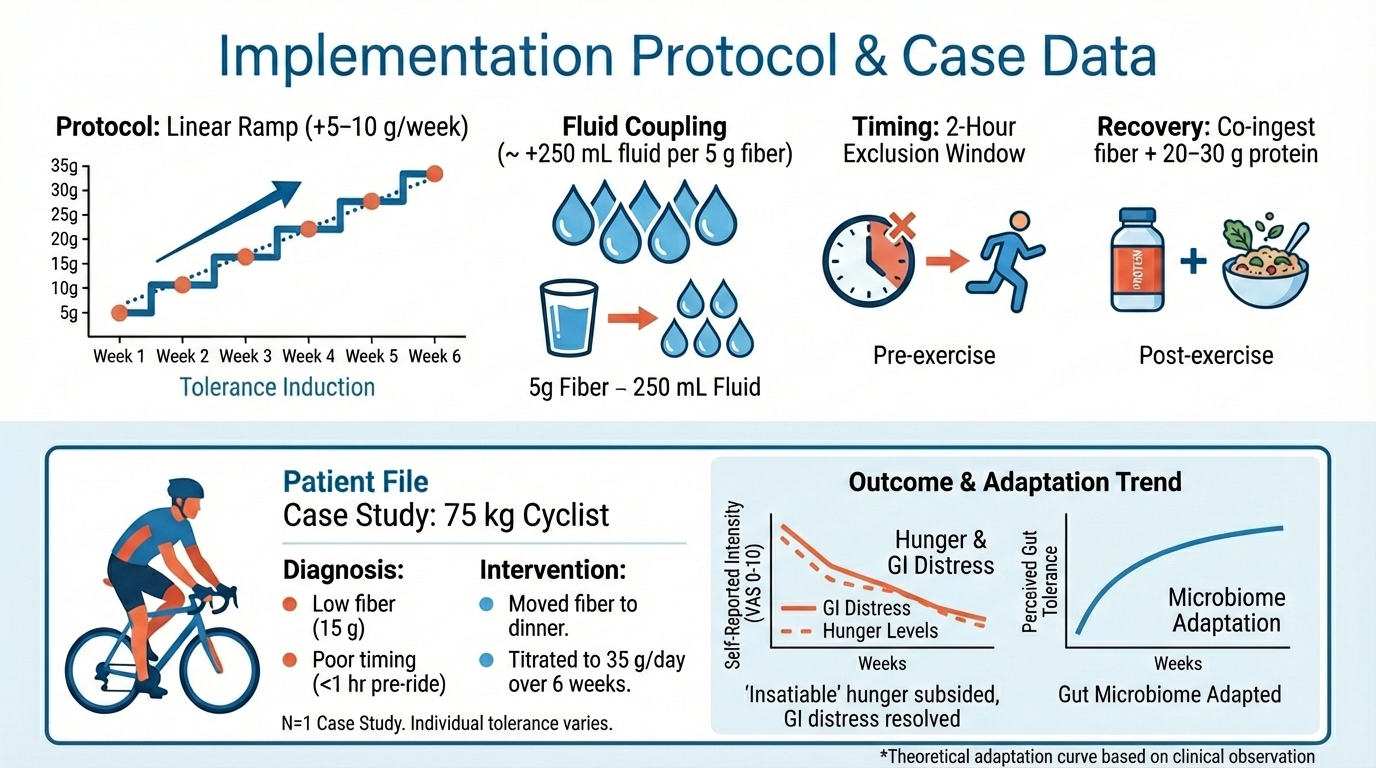
1. Baseline Assessment: Quantify current daily fiber intake. If < 20 g, initiate the ramp-up protocol.
2. The Linear Ramp: Increase daily fiber intake by 5–10 g per week. Rapid increases overwhelm colonic fermentation capacity, leading to gas and discomfort.
3. The 2-Hour Exclusion Window: Eliminate significant fiber sources (vegetables, whole grains, legumes) in the meal immediately preceding high-intensity sessions.
4. Fluid Coupling: For every 5 g increase in fiber, increase fluid intake by ~250 mL to facilitate transit and prevent constipation.
5. Recovery Integration: Concentrate high-fiber sources (legumes, brassicas) in the post-training meal, co-ingested with protein (20–30 g) to maximize the GLP-1/PYY response.
Gradescale: Your physiology, decoded. Join the waitlist now.
 Thomas Mortelmans
Case Study:
Athlete Profile: Male cyclist, 75 kg, training 12 hours/week. Reports constant hunger, difficulty reaching "race weight," and occasional mid-ride GI distress.
Intervention
• Diagnosis: Analysis revealed low daily fiber (15 g) but poor timing (consumption of oatmeal and apples < 1 hour pre-ride).
• Phase 1 (Weeks 1-2): Shifted pre-ride meal to white rice and banana (low residue). Moved high-fiber foods to dinner. Hunger persisted, but GI distress during training ceased.
• Phase 2 (Weeks 3-6): Gradual introduction of legumes and barley at dinner. Daily fiber titrated to 35 g. Fluid intake increased.
• Outcome: Subjective satiety ratings improved significantly. "Insatiable" evening hunger subsided due to delayed gastric emptying of the recovery meal. Body composition improved marginally due to reduced ad libitum snacking, without intentional caloric restriction. Note: Athlete experienced mild bloating in week 3, which resolved by week 5 as the microbiome adapted.
Limits of Application
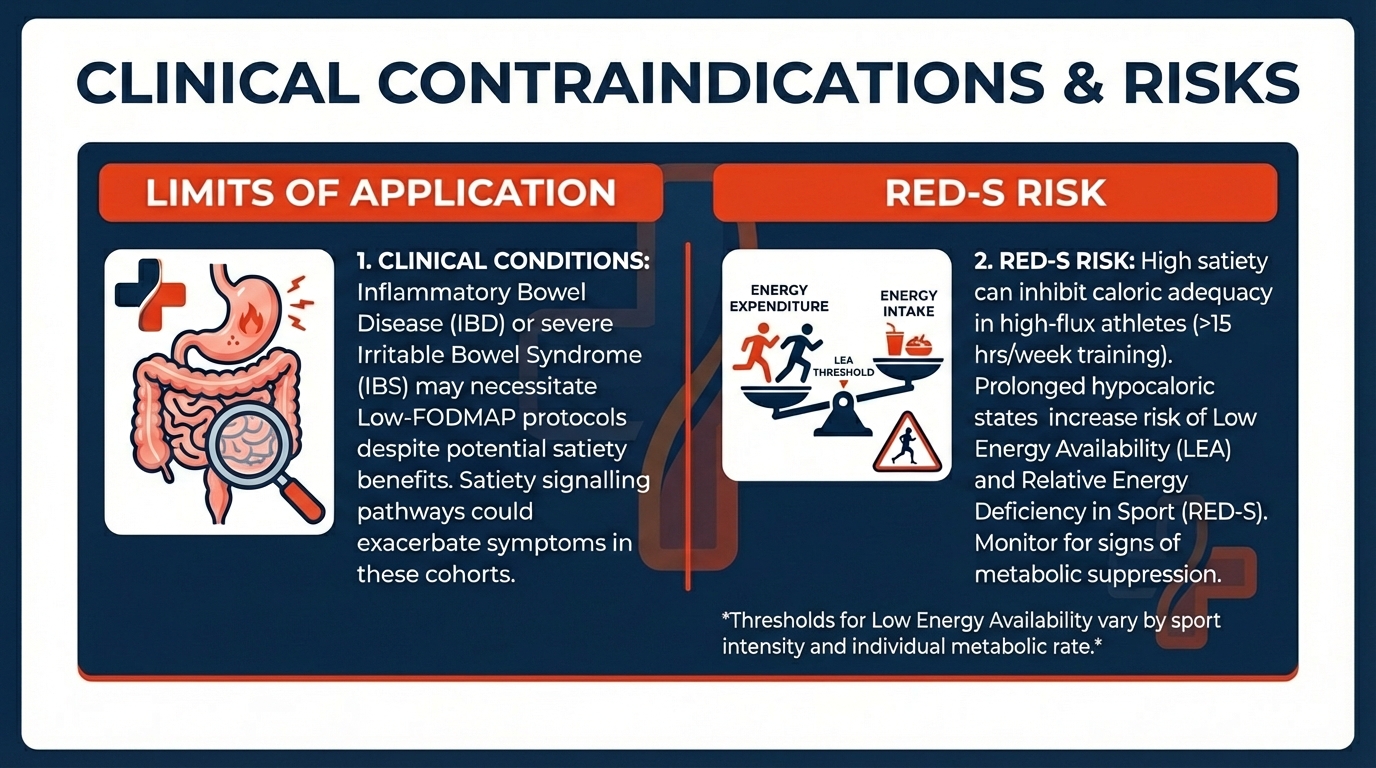
While increasing fiber is generally advantageous, it is not universally appropriate. Athletes with clinical gastrointestinal conditions (e.g., IBD, severe IBS) may require low-FODMAP protocols that restrict specific fermentable fibers despite their theoretical satiety benefits.
Furthermore, the "energy density" approach to weight management has limits; endurance athletes in heavy training blocks (>15 hours/week) may struggle to consume sufficient calories on a high-fiber diet due to early satiety, potentially risking Low Energy Availability (LEA) and Relative Energy Deficiency in Sport (RED-S).
In these high-flux contexts, fiber intake may need to be capped to ensure caloric adequacy.
Best regards,
Dr. Thomas Mortelmans
Disclaimer
The information provided in this newsletter is for educational purposes only and does not constitute medical advice. Exercise physiology is highly individual; what works for elite populations may not apply to everyone. Always consult with a physician before making significant changes to your training, nutrition, or supplementation protocols. The Scientist's Notebook and ESQ Coaching accept no liability for injuries or health issues arising from the application of these concepts.
References
1. Fiber for Endurance Athletes: The Hidden Nutrient That Boosts Performance, Recovery, and Gut Health
2. Fiber Intake Guidelines for Endurance Athletes | TrainingPeaks
3. Satiating Effect of High Protein Diets on Resistance-Trained Individuals in Energy Deficit - PMC
4. Fibre: The Forgotten Carbohydrate in Sports Nutrition Recommendations - PMC
5. Should You Reduce Dietary Fiber Before Competition?
6. Physical Exercise and Appetite Regulation: New Insights - PMC
8. Training the Gut for Athletes - Gatorade Sports Science Institute
9. Prioritizing Carbohydrates: A Guide for Endurance Runners
10. Fundamentals of glycogen metabolism for coaches and athletes - PMC
11. Weight Management for Athletes and Active Individuals
12. Dietary restrictions in endurance runners to mitigate exercise-induced gastrointestinal symptoms
13. Nutritional recommendations to avoid gastrointestinal distress during exercise
14. Efficacy of Popular Diets Applied by Endurance Athletes on Sports Performance
Found this useful?
Get articles like this and free training calculators in your inbox every week.
Recommended reads
If this was useful, these are the other research-driven newsletters I actually read.



Member discussion