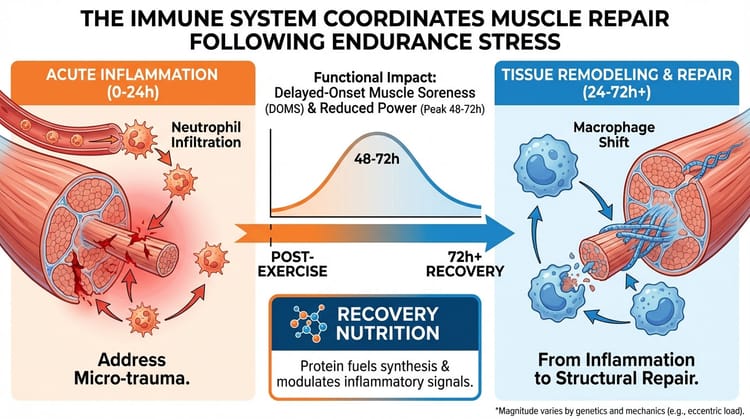
Snippet #005: The Immune System Coordinates Muscle Repair Following Endurance Stress
Prolonged endurance exercise triggers a distinct biological cleanup crew within the muscle fibers, often indicated by the release of intracellular
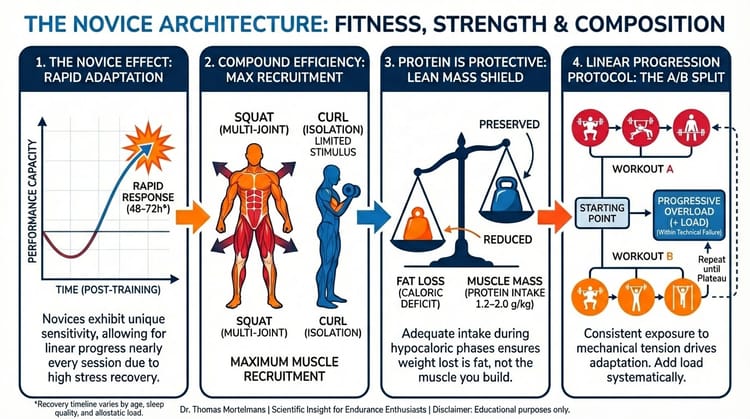
OpenLab #002: How to start with fitness and weight training for the absolute beginner with Laura Van Baelen
The modern fitness landscape has become an echo chamber. Open any social feed and you’re met with metabolic “shortcuts,
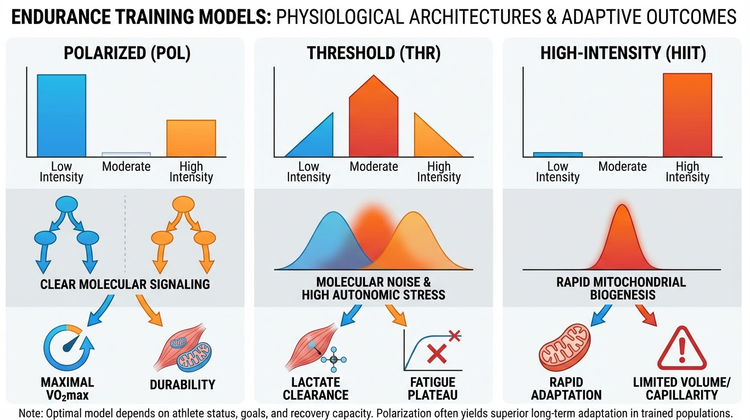
Entry #007: Comparative Architecture of Endurance Training Models: Polarized vs. Threshold vs. HIIT
Executive Summary: The Brief
* The Signal-to-Noise Problem: Threshold training (moderate intensity) often creates a "physiological black hole" for
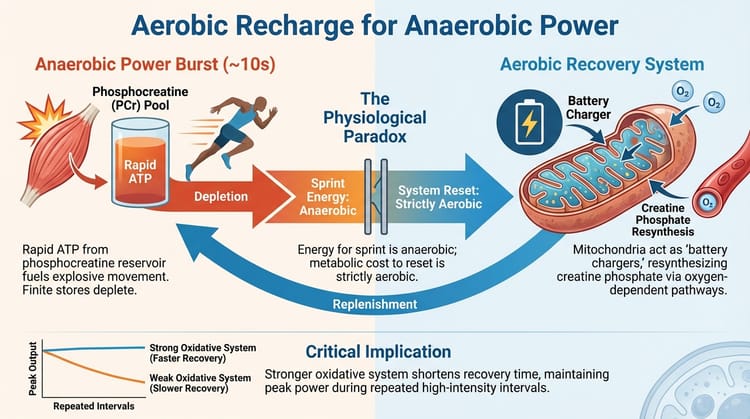
Snippet #004: Aerobic Metabolism Recharges High-Intensity Anaerobic Power
The phosphocreatine system acts as the body's immediate energy reservoir, rapidly regenerating ATP molecules to fuel explosive movement
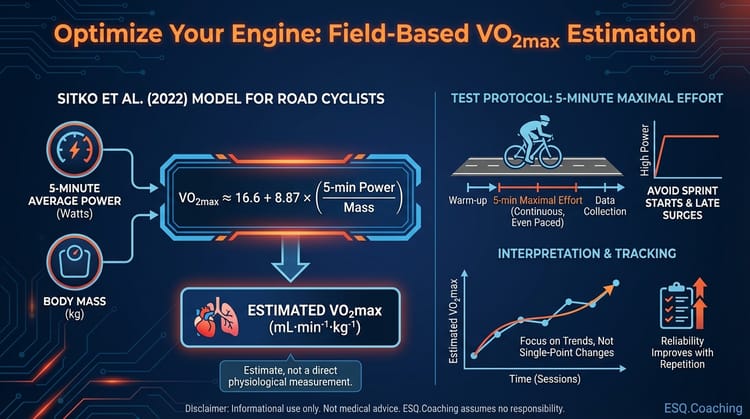
Vo2 Max, CP and Lactate threshold Calculators added to The Scientist`s Notebook
We`ve added three field tools that turn hard efforts into usable constraints, not vague zones.
Critical Power and Pacing
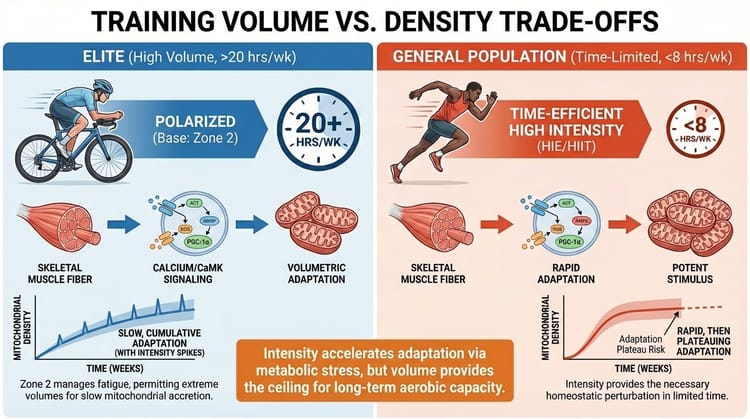
Journal Club #001: Challenging Zone 2 Optimality for Mitochondrial Health and Fitness in General Population
It is not often that a research paper arrives specifically to critically audit a trend currently dominating the applied physiology
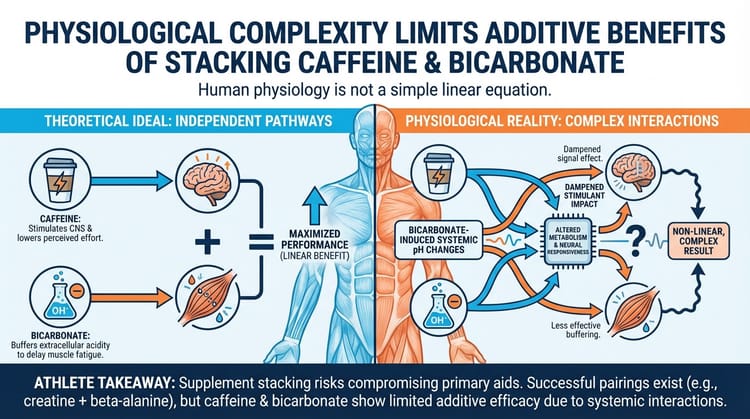
Snippet #003: Physiological Complexity Limits the Additive Benefits of Stacking Caffeine and Bicarbonate
Theoretically, combining caffeine and sodium bicarbonate should improve performance because they target different physiological limitations: caffeine stimulates the central nervous
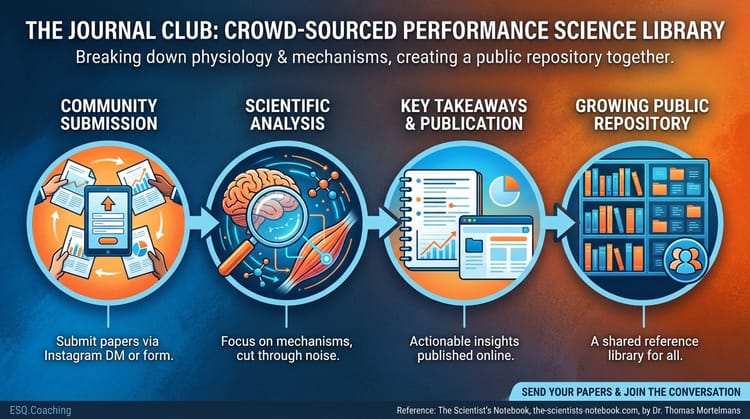
Building the Collective Brain: The Journal Club
One of the main ideas behind The Scientist’s Notebook is that science shouldn’t sit in silos. It should
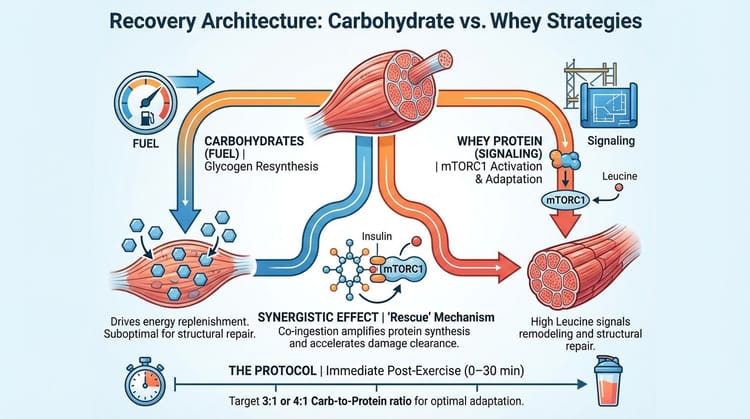
Entry #005: Comparing whey protein and carbohydrate-based recovery strategies after endurance exercise
Hi Endurance Enthusiast,
For decades, the post-exercise mantra has been simple: "Refuel." We have been conditioned to view
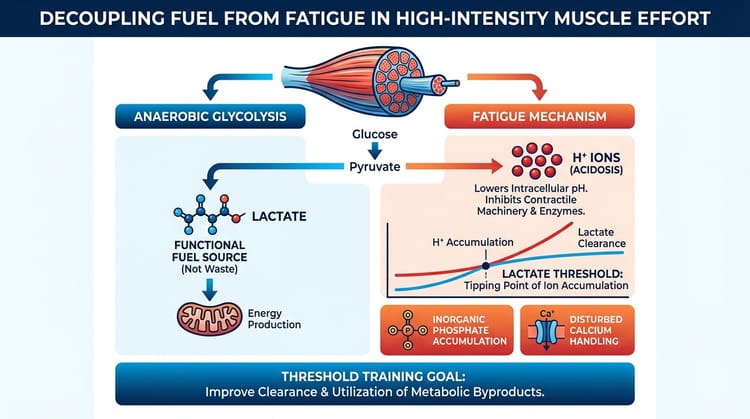
Snippet #002: Separating the Fuel Source From the Fatigue Mechanism During Intensity
During high-intensity effort, skeletal muscle relies on anaerobic glycolysis to generate energy rapidly. While this process produces lactate, research confirms