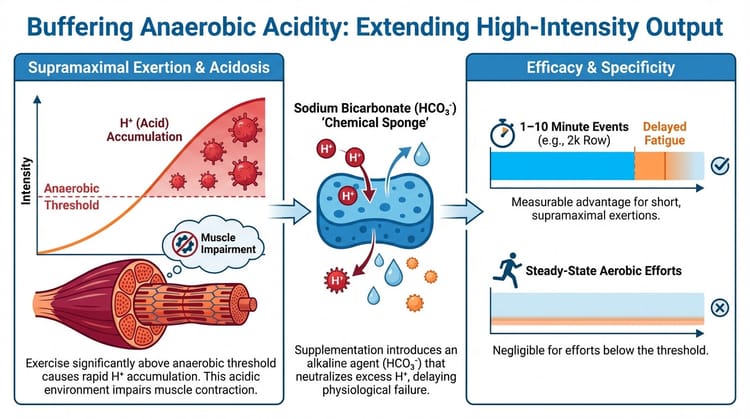
Snippet #008: Buffering Acidity to Extend High-Intensity Anaerobic Output
The efficacy of sodium bicarbonate relies heavily on the metabolic demands of the specific exercise intensity relative to an athlete&
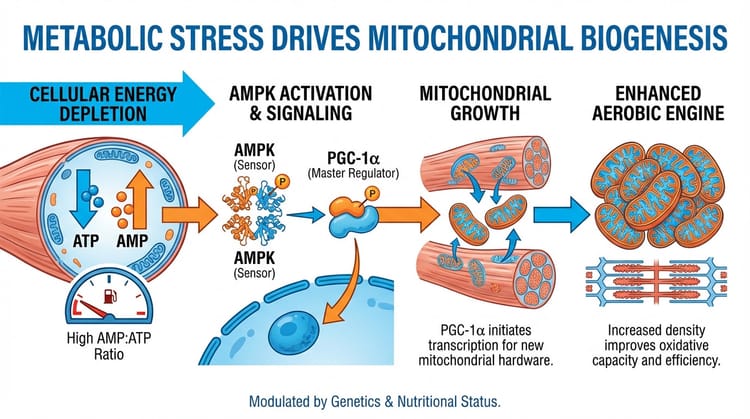
Snippet #007: Depleting Cellular Energy Stores Triggers Mitochondrial Growth
Endurance adaptations begin when the muscle cell detects that it is effectively running out of immediate fuel. As exercise continues,
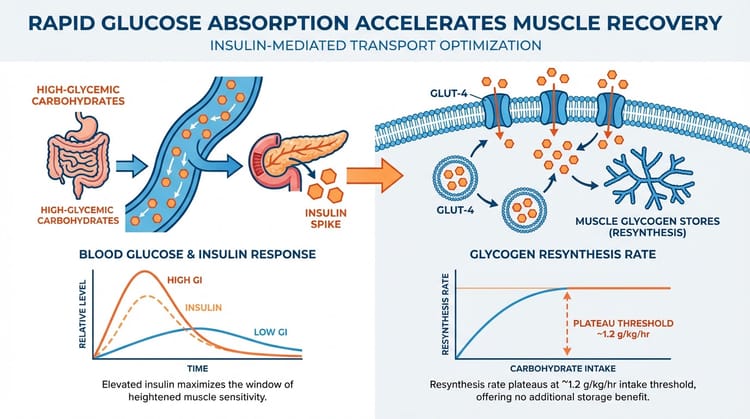
Snippet #006: Rapid Glucose Absorption Accelerates Recovery Through Insulin-Mediated Transport
High-glycemic carbohydrates promote superior muscle glycogen restoration compared to low-glycemic alternatives due to the speed at which they enter the
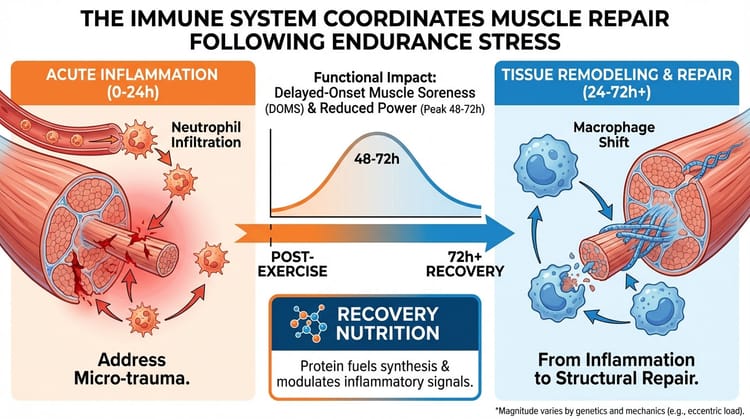
Snippet #005: The Immune System Coordinates Muscle Repair Following Endurance Stress
Prolonged endurance exercise triggers a distinct biological cleanup crew within the muscle fibers, often indicated by the release of intracellular
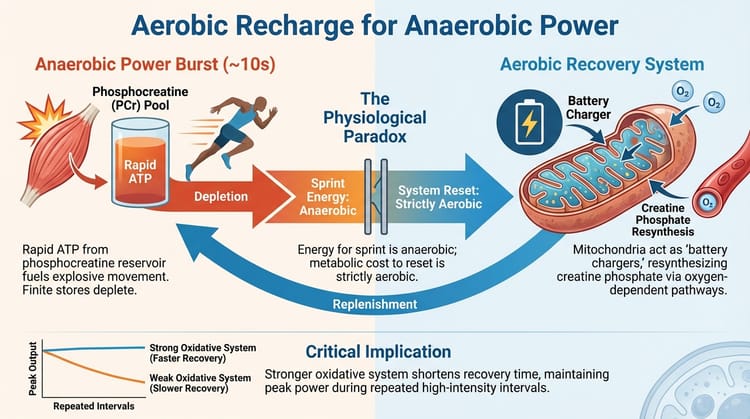
Snippet #004: Aerobic Metabolism Recharges High-Intensity Anaerobic Power
The phosphocreatine system acts as the body's immediate energy reservoir, rapidly regenerating ATP molecules to fuel explosive movement
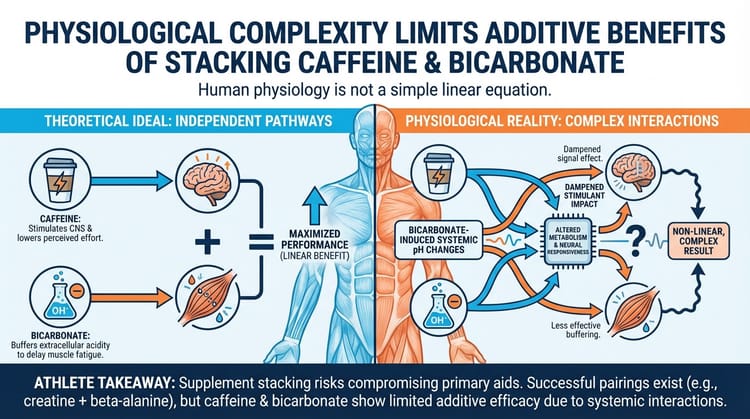
Snippet #003: Physiological Complexity Limits the Additive Benefits of Stacking Caffeine and Bicarbonate
Theoretically, combining caffeine and sodium bicarbonate should improve performance because they target different physiological limitations: caffeine stimulates the central nervous
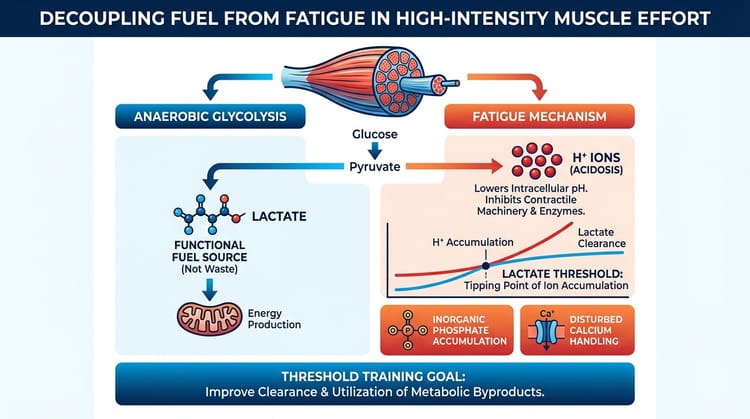
Snippet #002: Separating the Fuel Source From the Fatigue Mechanism During Intensity
During high-intensity effort, skeletal muscle relies on anaerobic glycolysis to generate energy rapidly. While this process produces lactate, research confirms
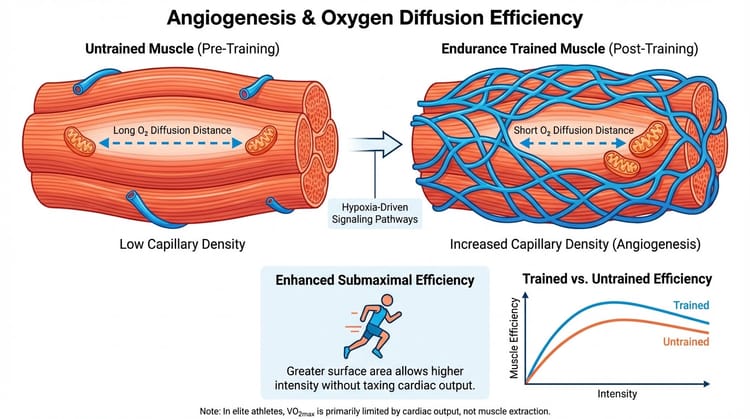
Snippet #001: Reducing Oxygen Diffusion Distance Through Capillary Growth
Endurance training stimulates angiogenesis, a biological process that generates new microscopic blood vessels around muscle fibers. This adaptation increases capillary