Hi (again). I`m Thomas
Many Mondays in, a growing community and time for a proper re-ntroduction: who writes this, why it started, and the half of the work a newsletter could not do on its own.
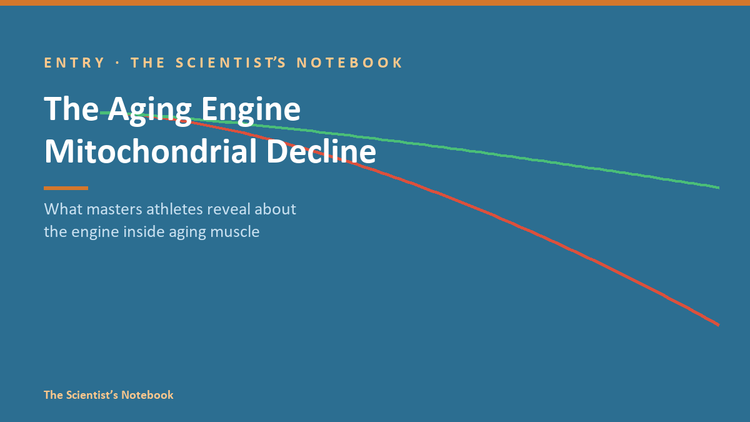
Entry #035: The Aging Engine: What Masters Athletes Reveal About Mitochondrial Decline
A muscle biopsy from a seventy year old cyclist who has trained for three decades does not read like a
Snippet #032: Muscle Memory Is Written in Your DNA's Dimmer Switches
DNA methylation works like a set of dimmer switches sitting on top of your genes, turning each one down or
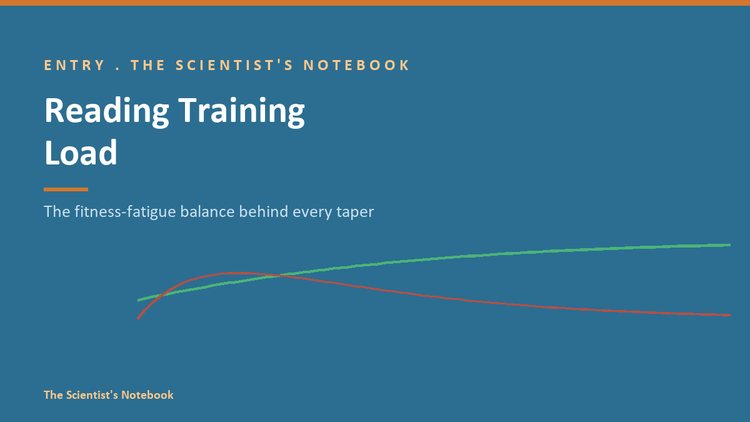
Entry #034: Reading Training Load: The Fitness-Fatigue Balance
Two athletes finish the exact same twelve week block: same sessions, same hours, same numbers logged to the watch. One
Snippet #031: Why Humid Air Kills Performance Even in Moderate Heat
Sweat cools the body only when it evaporates, and evaporation depends on the water vapor pressure difference between skin and
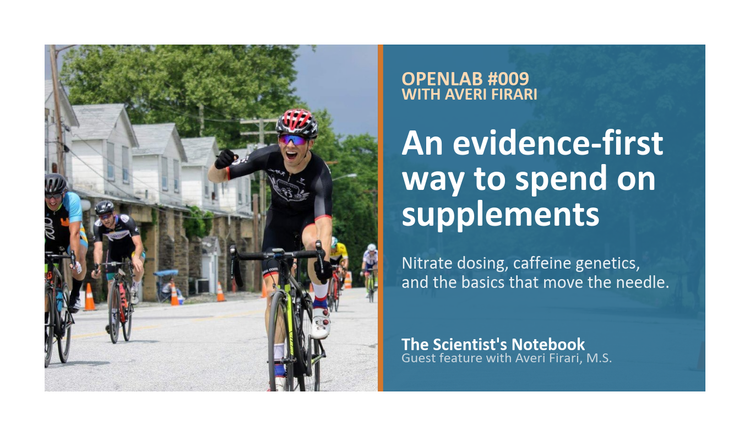
OpenLab #009: An evidence-first way to spend on supplements
Averi Firari is a USA Cycling-certified endurance coach and kinesiology instructor at James Madison University.
He holds an M.
Entry #033: The Hot Room as Recovery: What Sauna Does for the Tired Body
There is a particular kind of evening that endurance athletes know well. The hard session is done, the legs are
Snippet #030: Cold Water After Lifting Can Quietly Undercut Long-Term Muscle Gains
Cold water immersion after resistance training is associated with blunted satellite cell activity and reduced phosphorylation of p70S6 kinase, a
Entry #032: Sleep and Endurance: The Recovery Window You Cannot Train Around
You finish a hard week. The legs are heavy, the long ride or run sits in the log, and the
Snippet #029: How the Heart Resets After Hard Effort
When exercise ends, the parasympathetic branch of the autonomic nervous system, suppressed during hard efforts, gradually reactivates. This reactivation rate