#Entry 031: Load Balance, Decoded: What Tomorrow's Workout Should Actually Look Like
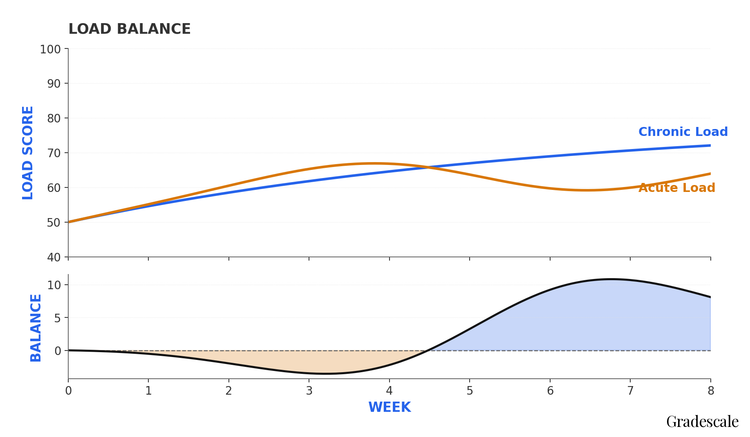
You looked at your dashboard this morning. Load Balance reads −18. Your training plan says hard intervals. Your legs say
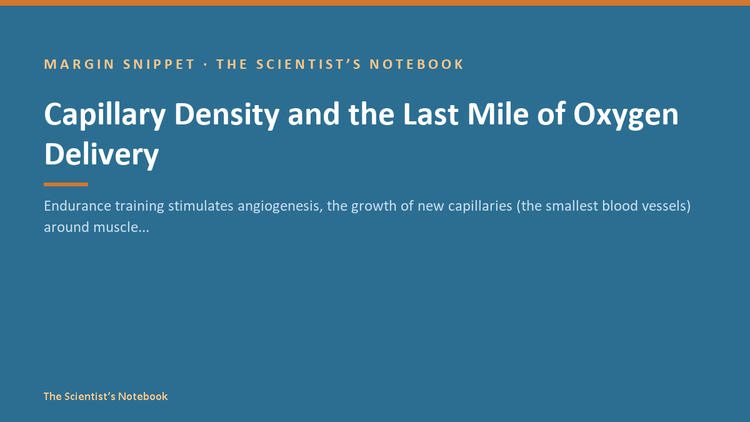
Snippet #028: Capillary Density and the Last Mile of Oxygen Delivery
Endurance training stimulates angiogenesis, the growth of new capillaries (the smallest blood vessels) around muscle fibers. Studies show the number
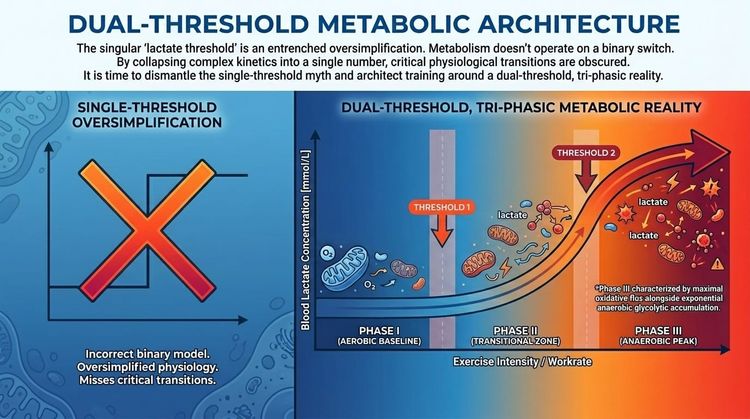
Entry #030: The two lactate thresholds (LT1/LT2) — The Dual-Threshold Metabolic Architecture
As an endurance practitioner, you have likely structured training around a singular metric: the lactate threshold. This pervasive concept—often
Snippet #027: Your Energy Systems Run Together, Not in Sequence
The aerobic and oxygen-independent pathways of energy production operate simultaneously from the first second of exercise.
Their relative share
OpenLab #008: Allostatic Load: The Hidden Stress Budget in Endurance Training
Guest OpenLab with Dr. Sebastian Sitko: why the stress you do not train, work, sleep loss, travel, life, lands in your legs, and how to read your full allostatic budget.
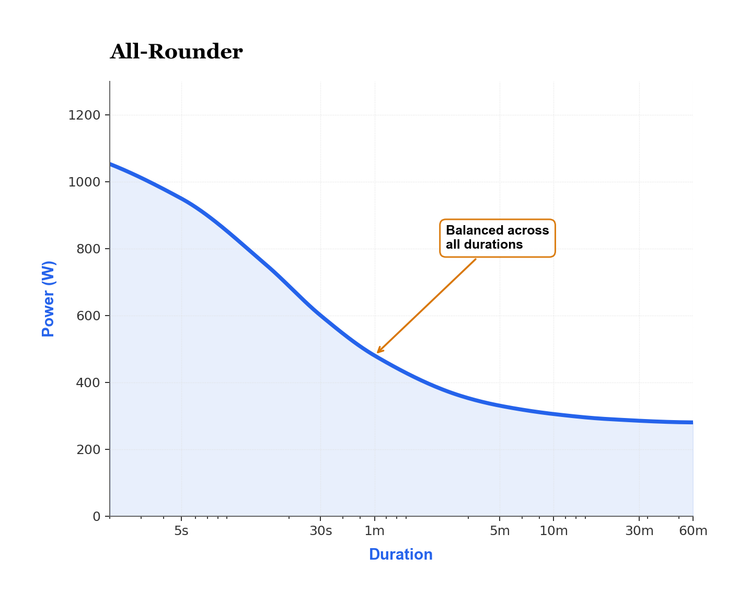
Entry #029: How to Read Your Power-Duration Curve, A Scientist's Walkthrough
The single chart that compresses your entire physiology into one line. Here's how to read it without the jargon.
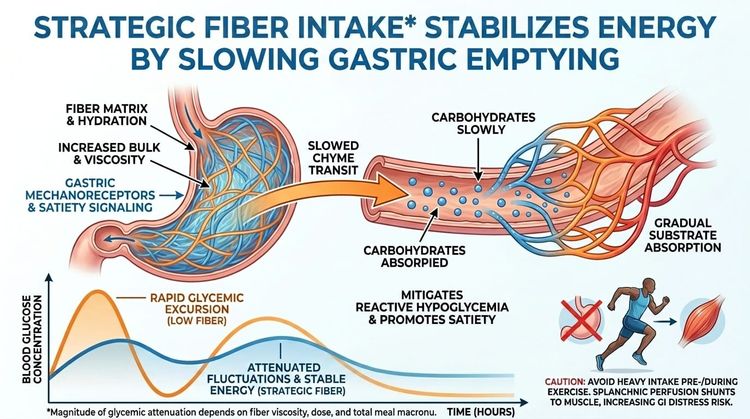
Snippet #026: Strategic Fiber Intake Stabilizes Energy by Slowing Gastric Emptying
Dietary fiber acts as a structural and viscous matrix in the digestive tract, attenuating the rate at which chyme leaves
OpenLab #007: Gut training and the unfinished science of fueling with Dr. Emily Dow
Picture an age group triathlete arriving at a sports-nutrition lab convinced that gels caused her cramps during her A-
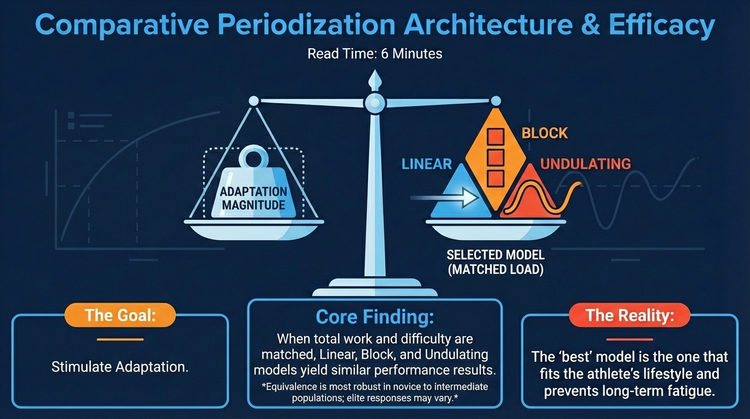
Entry #028: Block and reverse periodization vs traditional + polarized
The way we organize training stress—periodization—remains a hot topic in exercise science. While the goal is to adjust
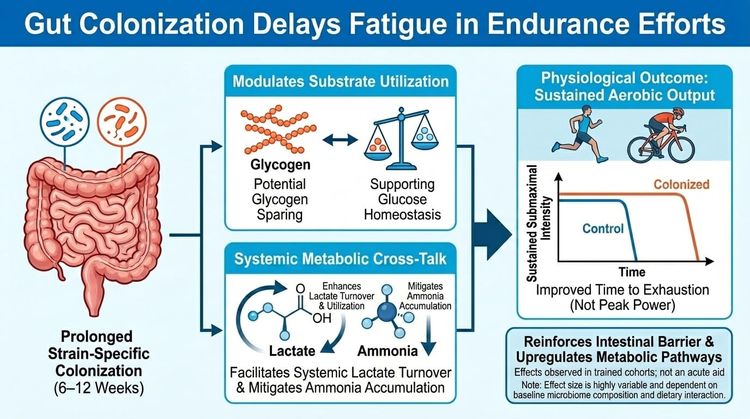
Snippet #025: Gut Colonization Delays Fatigue by Preserving Carbohydrate Availability During Endurance Efforts
Specific gut bacteria typically require a prolonged supplementation period of six to twelve weeks to induce functional shifts within the