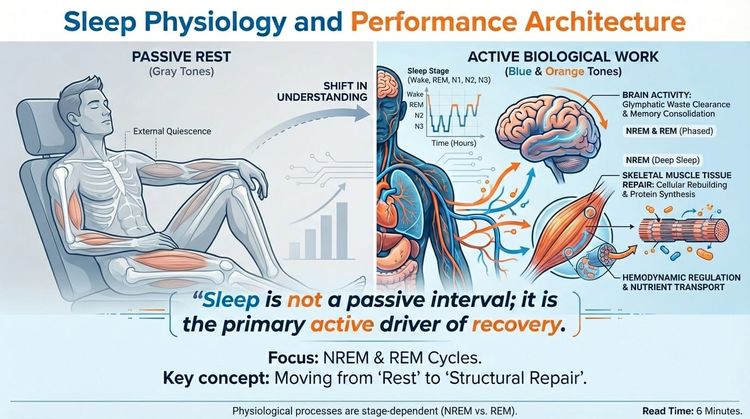
Entry #027: Sleep Physiology and Performance Architecture
The prevailing model of athletic adaptation frequently treats sleep as a passive interval between training stimuli, yet the physiological reality
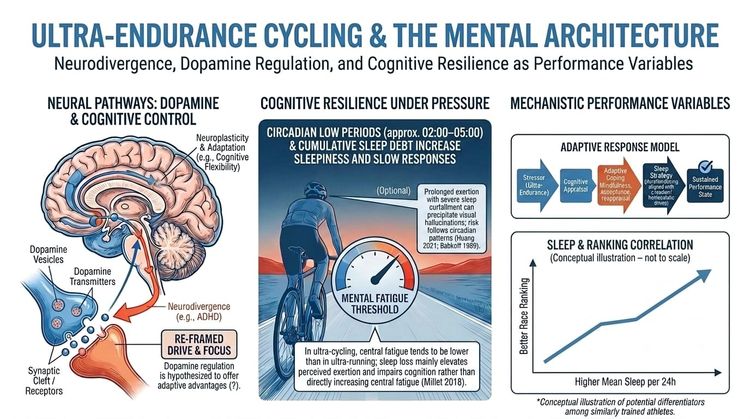
OpenLab #006: When the Climb Stops Giving Back: Durability and the Long Game, with Carolina Karlsson
Durability is the fourth pillar of endurance, and it breaks at the hard, hot, under-fuelled end. Swedish ultra-cyclist Carolina Karlsson learned it through trial and error during multiple Everesting attempts and long distance events.
Snippet #024: Genetic Variants Modulate Mitochondrial Biogenesis and Threshold Gains
The Mechanism
Mitochondrial biogenesis involves the expansion of the cellular mitochondrial network to enhance ATP production capacity. This adaptation is
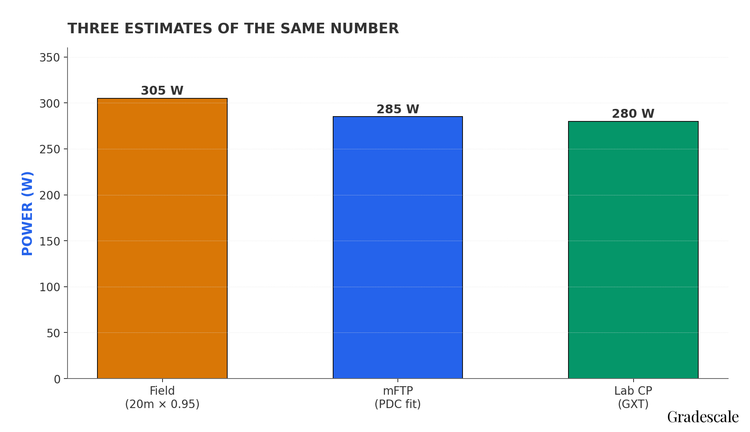
Entry #026: Why Your FTP Might Be Wrong: mFTP, CP, and Modeled Thresholds
A 20-minute test gives you one number. Your real threshold lives somewhere on a curve. Here's how to tell when the test is lying.
Snippet #023: Heavy Resistance Training Increases Tendon Stiffness to Reduce Running Metabolic Demand
Maximal-strength training involving heavy loads alters the mechanical properties of connective tissue, specifically increasing the longitudinal stiffness of the
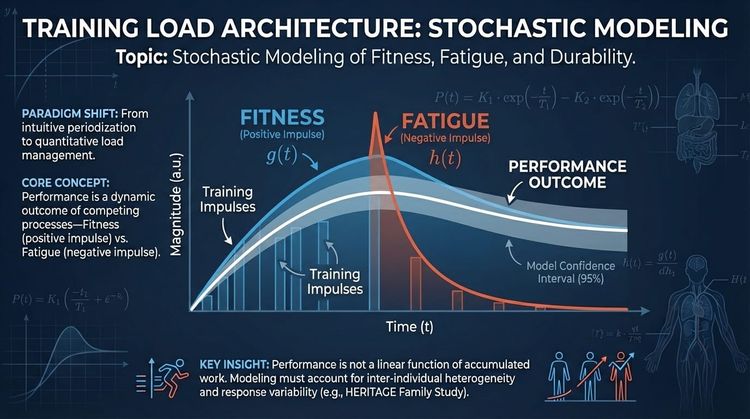
Entry #025: Training load metrics — Fitness/fatigue balance, acute:chronic workload ratio, decoupling.
The transition from intuitive periodization to quantitative load management represents a paradigm shift in high-performance physiology. While the foundational
Snippet #022: Exercise Alters DNA Packaging to Accelerate Future Muscle Adaptation
Core Insight
Inside muscle cells, DNA is tightly spooled around protein complexes called histones, a conformation that generally maintains certain
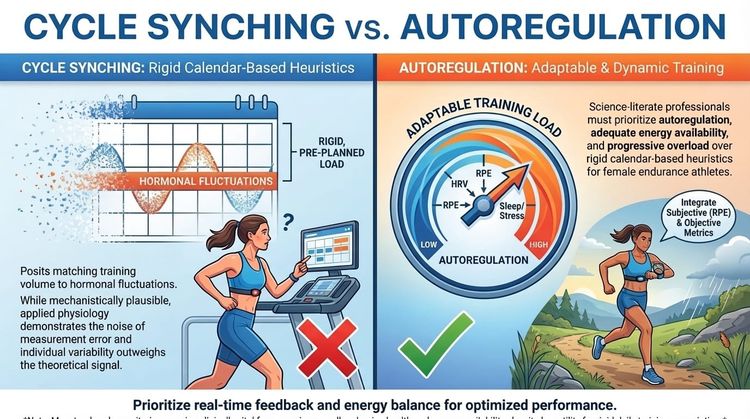
Entry #024: Menstrual Cycle Synching vs. Autoregulation in Female Endurance Athletes
Cycle synching has gone mainstream. The idea is that female athletes should plan their training around the hormonal phases of